Just Dance Now
- 3.9
- Rating
- 50.00M
- Installs
- Free
- Price

 Analysis by App-foxy
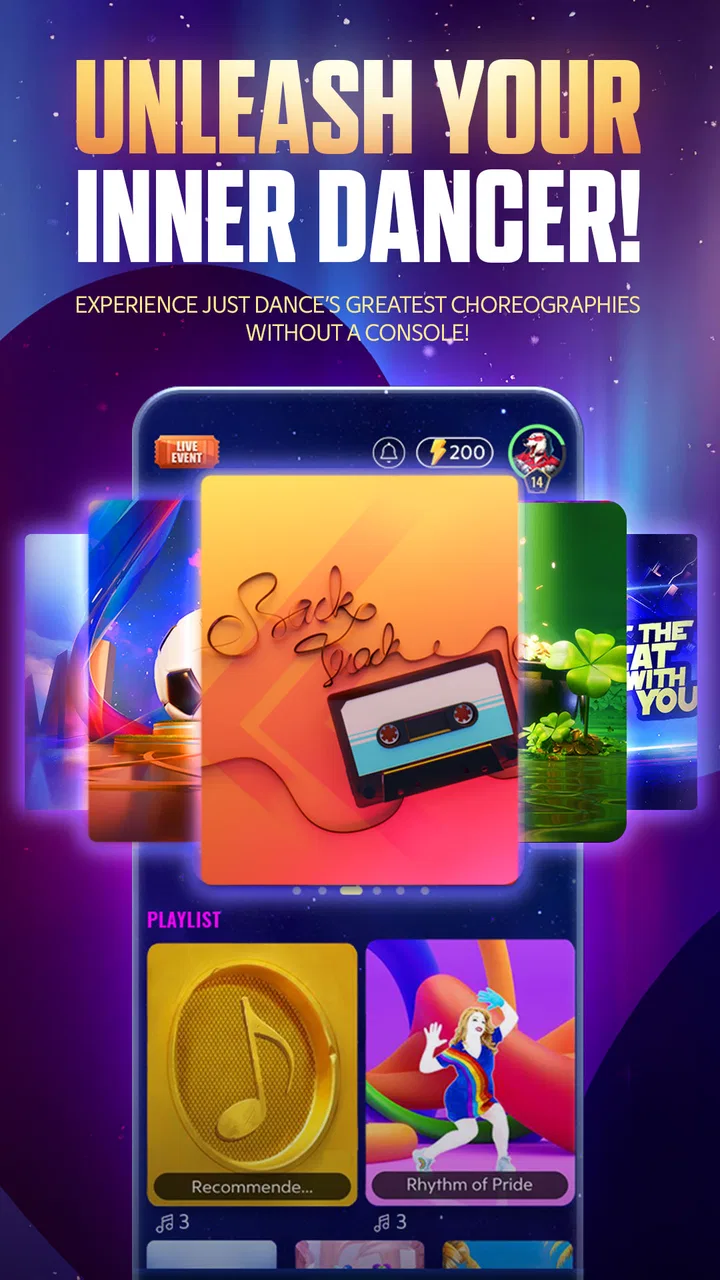
I came away from Just Dance Now thinking of it less as a traditional mobile game and more as a quick way to turn a room into a small dance floor. Developed by Ubisoft Entertainment, this free music game is at its best when several people want to move, laugh, and compete without setting up a console. I found the appeal immediate: choose a routine, follow the on-screen dancer, and use a compatible phone as the controller while the action plays on a larger screen.
That simplicity is also the reason I would recommend it selectively. It works wonderfully for casual gatherings, family play, and anyone who wants a low-pressure excuse to get active. It is less convincing for someone looking for a deep rhythm game, precise competitive scoring, or a completely frictionless experience without optional spending. My overall view is positive, but the game makes more sense when you understand what kind of entertainment it is trying to provide.
Why the living-room format works so well
The strongest idea here is the separation between the screen showing the choreography and the phone handling movement input. A television, tablet, or computer screen can become the shared stage, while each player holds a phone. That arrangement removes one of the biggest barriers to group dance games: nobody needs to pass around a single controller or learn a complicated setup before starting.
You May Also Like

 Blood Strike: 2.5 Anniversary
Blood Strike’s Loadouts Turn Every Drop Into a Tactical Gamble
A close look at Blood Strike’s custom loadouts: how fast access to signature weapons reshapes its battle royale rhythm, rewards preparation, and narrows the gap between fights.

 Pandora - Music & Podcasts
Pandora’s Music Is Easy to Start, but Harder to Recover
Pandora’s strength is its low-effort path from a seed to a station. Its weak spot is how much confidence it asks you to place in connection, setup, and quiet recovery.

 8 Ball Pool
 Is Built on Rivalries, Rematches, and Routine
A close look at the rivalries, rematches, shared routines, and unanswered safety questions that turn a quick pool match into a persistent mobile community.

 Samsung Music
’s Quiet Strength Is Playing What You Already Own
Its reach comes less from spectacle than from dependable access to a personal library. That simplicity is both the app’s strongest retention engine and its ceiling.

 AccuWeather: Weather Radar
AccuWeather Review: A Quick, Clear Forecast for Everyday Decisions
For everyday plans, the best forecast is the one you can understand quickly. AccuWeather makes rain timing, radar, and local conditions easy to act on, with a few trade-offs.

 Hill Climb Racing
Why Hill Climb Racing Still Turns Crashes Into One More Run
A tiny car, a bumpy hill and one more upgrade: Hill Climb Racing keeps resurfacing because its simple chaos makes every near-miss feel personal.
More From Our News Desk
View All News


In practice, I would use it for a relaxed evening with friends. One person gets the main display ready, everyone joins with a phone, and the first song becomes a warm-up rather than a serious test. The fun comes from trying to mirror the dancer, seeing who can keep up, and watching people who claimed they “do not dance” suddenly become the most enthusiastic player in the room.
The music-game category is crowded with apps that focus on tapping notes, matching rhythms, or building a personal playlist. This takes a different route. The body is the main input, so the experience feels closer to a party activity than a conventional mobile game. That distinction matters: if you want something to play quietly on a bus, this is a poor fit, but if you want an excuse to stand up with other people, it has a clear advantage over touch-based rhythm games.
I also like that the basic concept is understandable to first-time players. Someone does not need gaming experience to recognize the goal. Watch the routine, copy the movement, and keep going. The visual presentation does much of the teaching, which makes the game accessible to mixed groups where some players are comfortable with games and others are not.
The phone-controller idea has practical strengths
Using a phone as the motion controller keeps the entry cost low. Most guests already know how to hold a phone, and there is no need to distribute a specialized accessory before the first song. That makes spontaneous play realistic. If I were organizing a small gathering, I could introduce the game without turning the evening into a technical project.
There is a trade-off, though. Holding a phone while dancing is not identical to using a dedicated motion controller. I found that the device becomes part of the performance: I have to keep a secure grip, avoid dropping it, and remember that my hand movement is being judged through that device. People who dance with broad, fast gestures may need to be more careful than they expect.
For that reason, I would prepare the room before starting. A clear area is more important than a fancy setup. Move fragile objects away, leave enough space between players, and position the display where everyone can see it without twisting sideways. These small decisions make a bigger difference to enjoyment than trying to optimize every score.
Another useful habit is to begin with a song that the whole group can follow. Starting with a demanding routine can make newcomers feel exposed, especially if they are unfamiliar with dance games. A gentler opening gives everyone time to understand the visual cues and the rhythm of the scoring. After that, the group can choose more energetic routines without the first impression feeling intimidating.
Music and movement create a social game
The game’s best moments are not necessarily the ones where I achieve the highest score. They happen when the room reacts together. A missed move becomes funny, a confident player becomes an unofficial instructor, and a familiar chorus encourages people to keep dancing even when the choreography becomes difficult.
This makes it particularly suitable for families and mixed-age groups, although the Everyone 10+ rating is worth keeping in mind when deciding whether it suits younger children. The rating does not change the way I would approach it: I would still choose the songs and the intensity with the people in the room in mind, rather than assuming every routine will suit every player.
It can also work as a short activity rather than a full evening. I could play a few songs between other plans, use it as a break from sitting, or add it to a party where people are already looking for something interactive. That flexibility is one of its practical strengths. It does not demand that every player commit to a long session before the fun begins.
At the same time, the social benefit depends on the group. A shy player may not enjoy being watched, and a crowded room can make movement uncomfortable. I would not force participation. The game is most successful when people can join casually, step out when they want, and treat the scores as entertainment rather than judgment.
Where the experience becomes less smooth
The biggest limitation is that this is not a substitute for a dedicated console dance setup in every situation. A phone is convenient, but it is also easier to mishandle than a purpose-built controller. The display arrangement can require preparation, and the quality of the session depends on how comfortably everyone can see the choreography.
That matters especially in a room with poor visibility. If players are watching a small screen from too far away, the visual guidance loses much of its value. I would choose the largest practical display available and test the viewing angle before inviting everyone to join. This is a simple workflow, but skipping it can make the game feel harder than it really is.
Scoring can also create the wrong expectation. Players who want exact, serious feedback may find the experience less satisfying than a rhythm game built around taps or precise button inputs. Dance is expressive and physical, and a score cannot capture every part of that. I treat the result as a playful comparison rather than a definitive measurement of dancing ability.
The free entry is appealing, but the presence of in-app purchases changes how I would approach longer-term use. Individual items range from $0.49 to $99.99, so I would review any purchase carefully and set expectations before handing the device to a child or letting guests use it. The game is easy to try without paying, but players who want more variety may eventually encounter reasons to spend.
That does not make the free version pointless. It simply means I would judge the initial experience separately from the complete catalog a committed player might want. For an occasional party, the no-cost starting point may be enough. For someone who expects a large, regularly refreshed selection without additional spending, the purchase model deserves attention before making the game a routine.
What I would check before a group session
My preparation would be straightforward:
- Choose a display that everyone can see clearly from the dancing area.
- Clear the floor and keep drinks, cables, and fragile objects out of the movement path.
- Ask players to hold their phones securely rather than dancing with a loose grip.
- Start with an approachable routine so newcomers can learn the visual language.
- Agree in advance that scores are for fun, especially when children or first-time players are involved.
These are not glamorous tips, but they address the real friction points. The game itself is easy to understand; the surrounding room determines whether it feels comfortable. I would rather spend a minute arranging the space than blame the game for a session made awkward by a bad viewing angle or too little room.
Another trade-off is session intensity. Some players will treat the game as light entertainment, while others may dance with enough energy to become tired quickly. I would build in pauses and water breaks during a longer gathering. That is especially sensible when people are not used to sustained movement. The game encourages activity, but it does not replace sensible judgment about personal limits.
Who should download it, and who should look elsewhere
I think it is a strong choice for people who want music and movement without buying a console. It suits a family room, a casual party, or a friend group that enjoys playful competition more than technical mastery. It is also useful for someone who finds ordinary exercise routines boring and prefers a short, entertaining reason to stand up.
The game is a particularly good match for hosts. Instead of planning a complicated activity, I could put it on after dinner and let guests join at their own pace. The format naturally creates conversation because people can comment on the routines, encourage each other, and compare performances. Even spectators have something to watch, which is not always true of a private mobile game.
I would also consider it for beginners who feel intimidated by formal dance classes. There is no instructor standing in front of the room judging technique, and the playful setting makes mistakes less serious. Of course, it cannot provide the personal correction or structured progression of a real class. Its value is confidence and movement, not detailed dance education.
On the other hand, I would skip it if my main goal were silent solo play, advanced rhythm precision, or a carefully structured fitness program. A tap-based music game is better for playing discreetly and focusing on timing. A dedicated console dance title may offer a more polished controller experience. A fitness app may be better if I want planned workouts, tracking, and a consistent training structure.
I would also hesitate to choose it for a very small screen or a cramped room. The choreography is central, so visibility and space are not minor conveniences. They are part of the game’s basic requirements. Someone living in a tight space can still try it, but the experience may be more frustrating than enjoyable if movement is constantly restricted.
Device compatibility is another practical question. The game supports devices running Android 7.0 or later, and the current version is 9.0.0. Before inviting a group, I would make sure the phones being used meet that requirement and that everyone has enough time to prepare their device. That small check avoids the awkward pause where one guest is ready to dance but cannot join.
Its long presence in the app market also explains why it has become familiar to many casual players. Released on September 24, 2014, it has attracted over 50 million installs, with an average rating of 3.9 from around 1.2 million ratings and roughly 43 thousand written reviews. Those figures suggest broad reach, but they do not remove the need to judge whether the living-room format fits my own space and group.
My final view after using it as a party game
Just Dance Now is most convincing when treated as shared entertainment, not as a demanding standalone game. Its phone-controller approach lowers the barrier to entry, its music-led routines make the objective instantly clear, and its strongest feature is the way it gets people interacting in the same room. I can imagine recommending it to a friend who wants a simple activity for guests or a more playful way to take a break from sitting.
I would be honest about the compromises. The display needs to be positioned well, the room needs enough open space, and holding a phone is not as natural as using dedicated motion hardware. The purchase range also means that anyone planning frequent play should pay attention to spending rather than assuming the free download tells the whole story.
For occasional sessions, those limitations are manageable. I would download it, prepare a safe viewing area, begin with an easy routine, and let the group decide how competitive the evening becomes. The game does not need to deliver deep progression to succeed at that job. It only needs to make people willing to stand up and join in, and in my experience it does that better than most touch-based music games.
My recommendation is therefore clear but specific: choose it if you want accessible dancing, shared laughter, and a flexible activity for a room full of people. Look for another option if you want precise solo scoring, structured exercise plans, or the polished feel of a dedicated console controller. For the right audience, this free music game remains an enjoyable way to turn an ordinary screen and a handful of phones into a lively group experience.
FAQs for Just Dance Now
01What devices are compatible with Just Dance Now?
Just Dance Now is compatible with both Android and iOS devices, allowing you to use your smartphone as a controller. The game can be played on any screen with an internet connection, such as smart TVs, tablets, or computers, ensuring a flexible and versatile gaming experience.
02How does Just Dance Now work without a gaming console?
Just Dance Now uses your smartphone as a motion controller. Simply download the app, connect it to any screen with an internet browser, and start dancing. The app tracks your movements through your phone’s sensors, making console-free dancing possible and convenient.
03Is an internet connection required to play Just Dance Now?
Yes, an internet connection is necessary to play Just Dance Now. The game streams content and requires communication between your smartphone and the screen, ensuring real-time tracking and performance updates. A stable connection will enhance your gameplay experience.
04Are there any subscription costs associated with Just Dance Now?
Just Dance Now offers a variety of songs for free, but access to the full library requires a subscription. The VIP Pass provides unlimited access to all songs, with options for different durations. Prices may vary, so check the app for current subscription rates and offers.
05Can I play Just Dance Now with friends?
Yes, Just Dance Now encourages social play. Multiple players can join a dance session using their smartphones as controllers. The game supports both local and online multiplayer, allowing you to dance with friends nearby or connect with others around the world.
Pros
- Extensive song library with frequent updates.
- Intuitive controls suitable for all ages.
- No console needed; play on any screen.
- Multiplayer mode enhances social interaction.
- Track fitness progress with integrated stats.
Cons
- Requires stable internet connection.
- In-app purchases can add up quickly.
- Limited free songs available.
- Device compatibility issues may arise.
- Ads can interrupt gameplay experience.

Just Dance Now
Gallery